.png?width=80&height=80&name=Untitled%20design%20(91).png)
.png?width=2240&height=1260&name=The%20Science%20of%20Groove%20(1).png)
Functional Mushrooms
Groove Guide
Magic Mushrooms
.jpg?width=3264&height=2448&name=close-up-mushroom-growing-field%20(1).jpg)

Orange mushrooms are some of the most eye-catching and fascinating fungi found in the wild. Their bright colors instantly stand out on forest floors, tree trunks, and mossy logs. Whether you’re a forager, a nature lover, or someone curious about the world of wild mushrooms, understanding orange mushrooms can open the door to a vibrant and exciting part of nature.
Their striking color is the first thing people notice. Orange mushrooms come in shades that range from soft golden tones to deep pumpkin orange. This color often helps them stand out from other fungi, making them easier to spot during hikes or nature walks. But color alone is never enough for identification — each species has unique textures, shapes, and growing habits.
Several well-known mushrooms fall into the orange family, each with its own charm, flavor, and habitat.
Chicken of the Woods is hard to miss. Its bright orange shelves grow on trees or fallen logs, forming large clusters. Many people compare its texture to tender chicken, which is how it earned its name. When fresh and properly cooked, it adds a rich, savory taste to meals. Always make sure the specimen is young and in good condition before cooking.
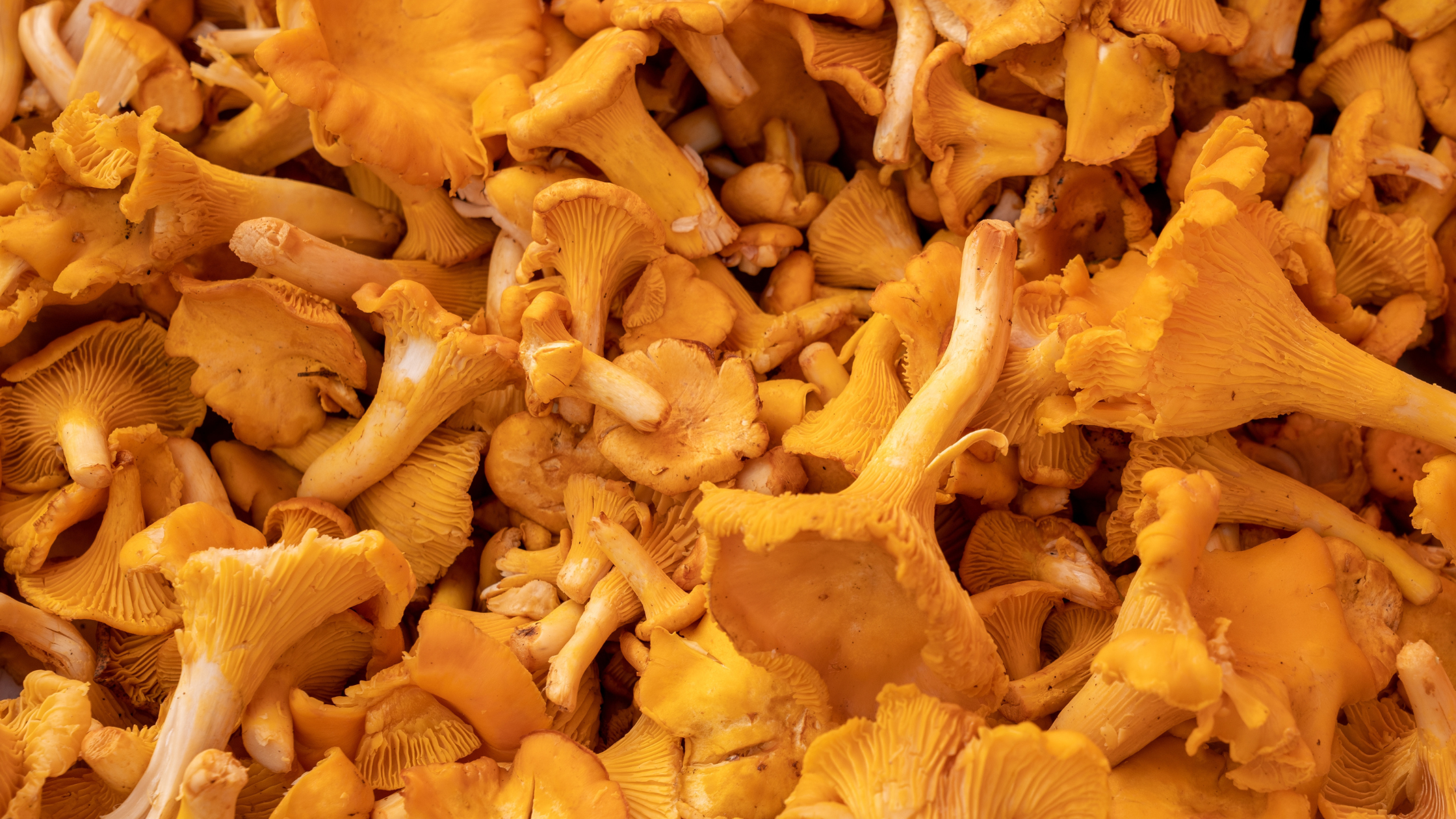 Chanterelles are prized in the culinary world. Known for their golden-orange color and delicate, fruity aroma, these mushrooms are often found in mixed hardwood forests. They have wavy caps and forked ridges underneath, which helps distinguish them from lookalikes. Their flavor pairs beautifully with pasta, eggs, and creamy sauces.
Michigan is known for having a rich variety of wild mushrooms, including many orange species. The state’s forests and weather conditions create the perfect environment for fungi to thrive. From summer to early fall, foragers can spot bright orange mushrooms popping up along trails, riverbanks, and forest floors. The Groove Guide—a helpful resource for mushroom lovers—often highlights seasonal species and safe-foraging tips.
The Groove Guide has become a useful reference for newcomers and experienced foragers. It offers simple explanations, identification tips, and reminders about safety. Since orange mushrooms include both edible and non-edible varieties, having a reliable guide makes a big difference. It also helps people understand where certain mushrooms grow and how to avoid common mistakes.
These mushrooms usually appear in:
Their growth season depends on the region, but many varieties peak between late summer and early fall.
No, not all orange mushrooms are edible. Some are delicious, like Chanterelles and Chicken of the Woods, but others can cause discomfort or illness. Because of this, proper identification is essential. If you’re ever uncertain, it’s better to avoid eating the mushroom or consult an expert source such as the Groove Guide or a local foraging group.
These mushrooms play an important role in the ecosystem. They help break down dead trees, recycle nutrients back into the soil, and support plant growth. Their presence often indicates a healthy and thriving forest environment.
Orange mushrooms bring color, curiosity, and wonder to the world of wild fungi. From tasty varieties like Chanterelles and Chicken of the Woods to the rich diversity found in Michigan’s forests, they offer something for everyone. Whether you’re exploring nature or learning through resources like the Groove Guide, understanding these mushrooms can make every forest walk a little more magical.